

Ala-Archa is a nature park roughly forty kilometres south of Bishkek. Spend a day beside the mountain river, ride the cable car or walk to Ak-Sai waterfall. Higher up, near the glaciers, Ratsek Hut is the goal of a separate hike. For a first visit, arrive in the morning and give the valley a full day.
A morning among spruce trees and mountains
After the city, it feels good to stand beside running water. The river flows between large stones, green slopes rise above it and rocky ridges appear farther up. Choose a short walk, stop with a flask of tea and watch clouds move over the mountains. That alone makes the journey worthwhile.
Established in 1976 in the Kyrgyz Range, the park takes its name from archa, or juniper. Spruce woodland grows here too; higher up are open slopes, rock and glaciers. On your first visit you can enjoy the valley, leaving a higher trail for the next trip.
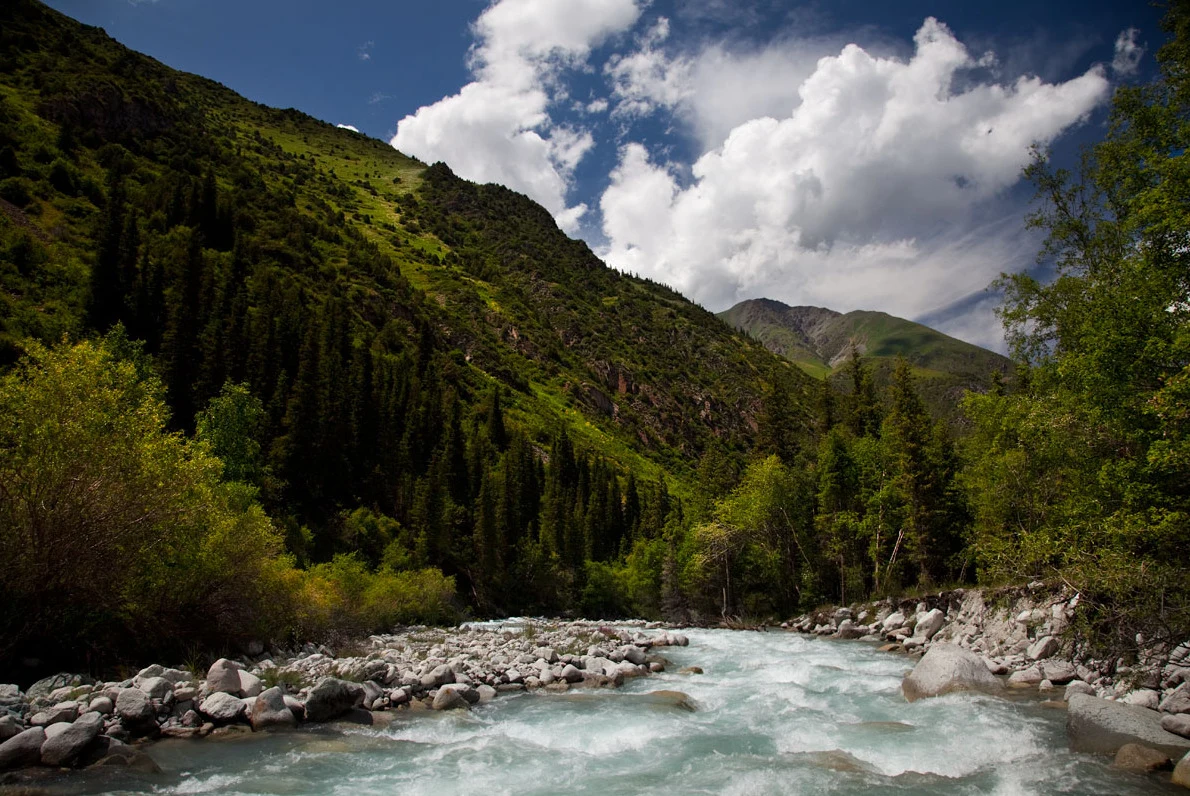
Start with a riverside walk
Begin around the alpine camp area and follow an accessible path along the Ala-Archa River. Choose your distance according to how you feel: turn back after a pleasant stopping place or continue into the valley. A couple of hours including breaks is a flexible plan for this outing.
With children, walk in short stretches, pause among the trees and stop for a snack. Keep to the path and choose a dry spot away from the fast river’s edge. Bring food and take your litter home. Watch birds and squirrels without feeding them.
Adygene and Tuyuk-Suu waterfall require their own route planning. They can involve long approaches and substantial climbing. Save them for a day when you want to walk farther.
Up to Ak-Sai waterfall
The Ak-Sai trail climbs out of the lower valley. As you gain height, the valley opens below, woodland gives way to rock, and the waterfall makes a good place for lunch before the return.
From the walking start near the alpine camp, allow roughly 4.3 kilometres each way and around 700 metres of ascent. The climb takes about 2.5 hours; plan 4–6 hours for the return walk, longer with extended stops or difficult trail conditions. These distances begin at the trailhead, which you still need to reach from the entrance checkpoint.
Carry water, lunch, a windproof layer and grippy shoes. Walking poles can help on the descent. Ask about the current trail access, which may have changed following construction. Start early and set a turnaround time to return in daylight. Snow and winter conditions need a separate assessment.
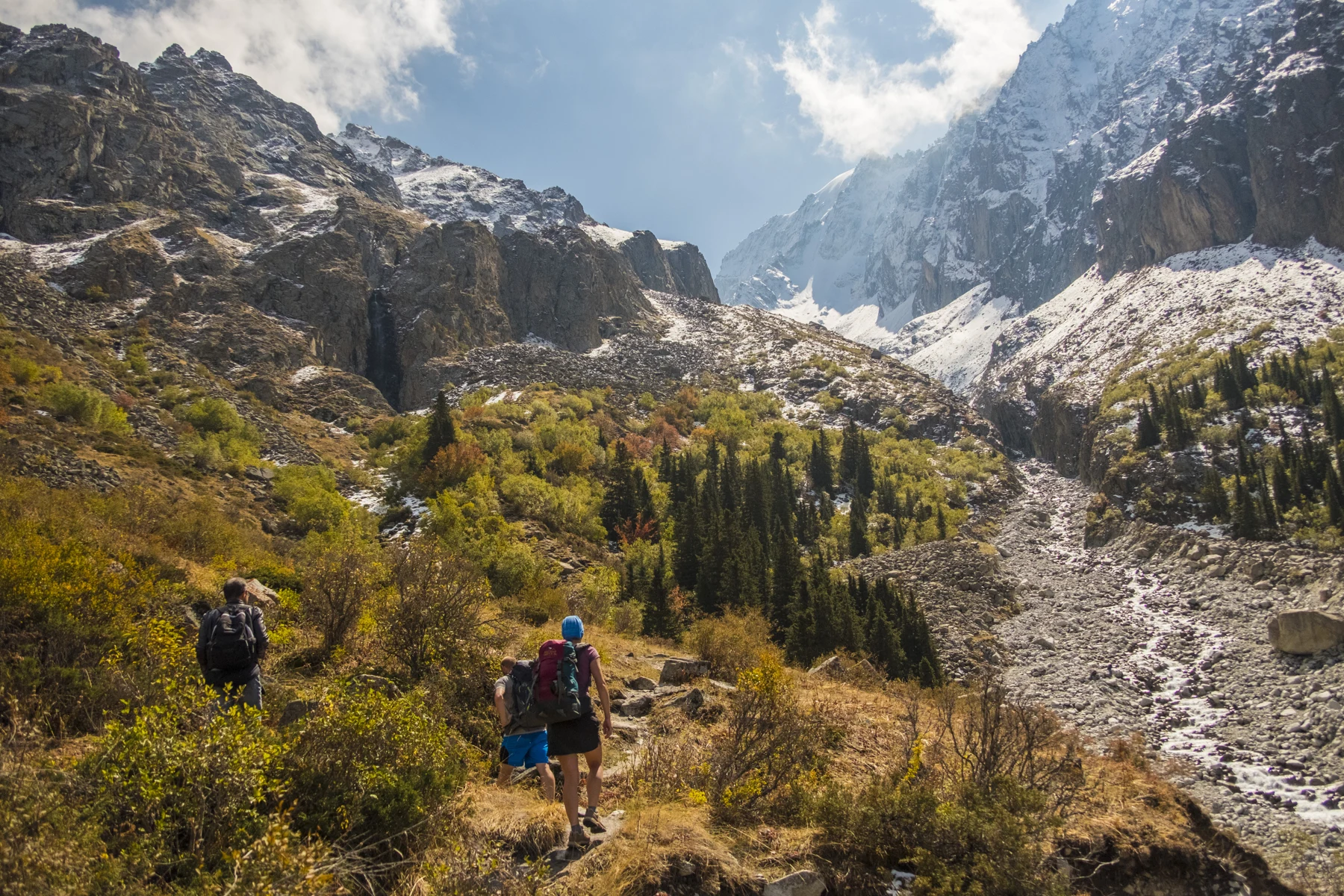
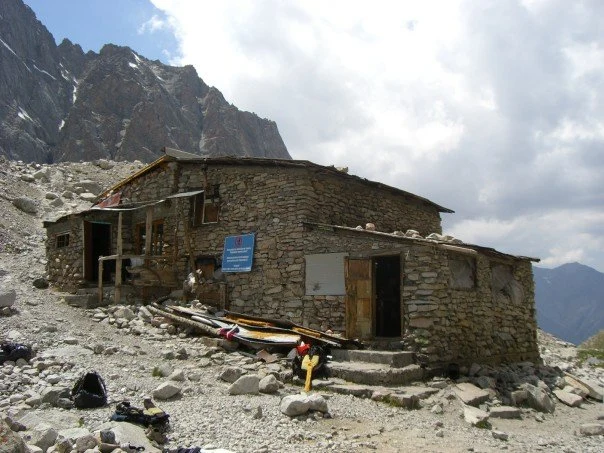
Ratsek Hut and the higher mountains
Beyond the waterfall, the trail continues towards a mountain refuge usually called Ratsek Hut. It stands at roughly 3,300 metres near Ak-Sai Glacier. Its name recalls Vladimir Ratsek, a pioneer of mountaineering in Kyrgyzstan. Climbers stay here before heading towards the surrounding rocky summits.
Make a separate plan for this hike. A local operator gives approximately 5–6 kilometres and 4–5 hours for the ascent from the alpine camp alone. You still have to descend, while altitude and fatigue affect your pace. Arrange an overnight place in advance if you want to stay, and discuss the route with a guide.
Glacier travel and summit routes require suitable preparation and equipment. The waterfall is a worthwhile first goal; return for the hut with a clear mountain itinerary.
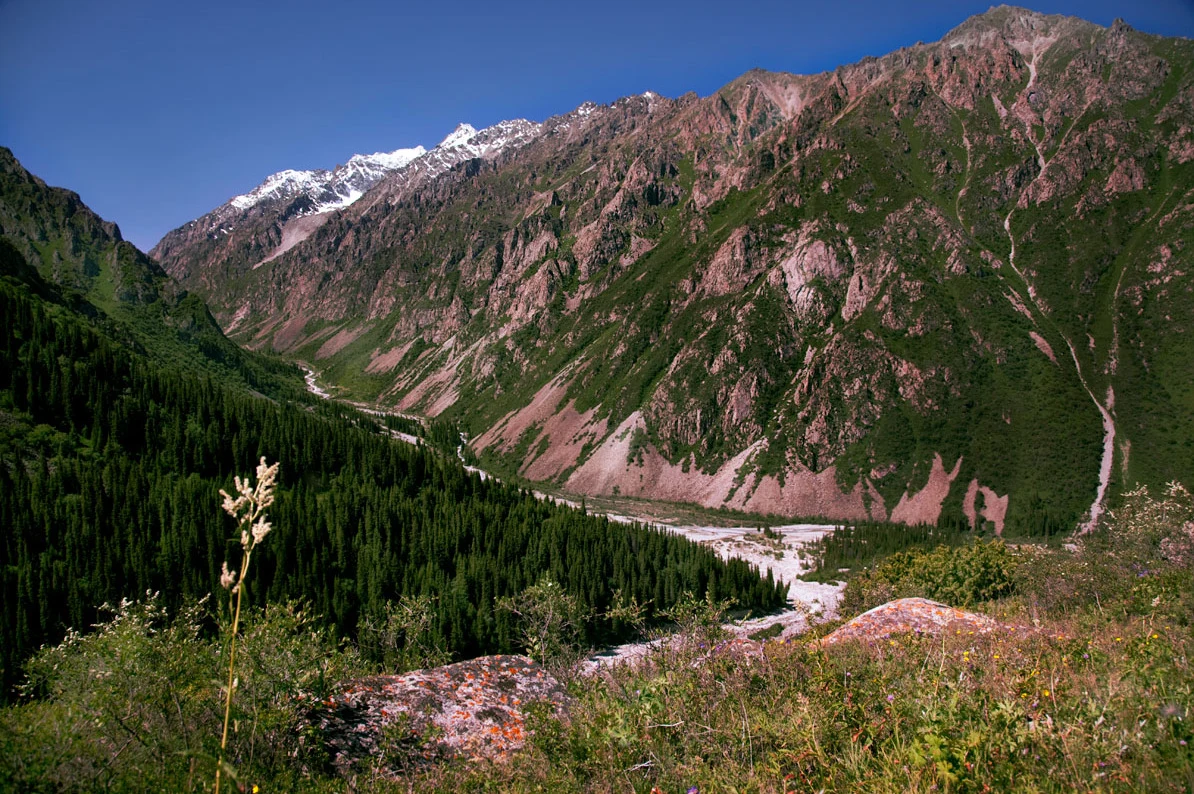
Cable car views over the valley
The gondola cable car opened in February 2026. Its operating section is around one kilometre long. Ride up, walk near the upper station and return in the cabin. It suits a day of mountain views with a short walk, especially when members of your group have different walking abilities.
Published reports give a return fare of 600 som (~US$7). Keep your ticket until the journey is complete. Check operating hours and the last descent before travelling. Plan a waterfall hike separately: the distances above start at the alpine camp, and a route from the upper station may differ.
Getting there and the entrance arrangements
From Bishkek, take a taxi, arrange a driver or travel by car. City bus No. 1 is reported to serve the park; check current stops, timetable and last return departure before setting out. Agree on your pickup point and return with any hired driver.
Petrol and diesel cars stay in the parking area outside the checkpoint. Free electric transport operates inside towards the walking area. Allow time for admission, waiting and the transfer: the checkpoint is still some distance from the waterfall trailhead. Arrange transfers from Manas Airport separately; the roughly forty-kilometre distance here is measured from Bishkek.
Published prices checked on 7 November 2026:
Expense | Guide price |
|---|---|
Adult admission | 250 som (~US$3) per person |
Child admission, ages 7–14 | 180 som (~US$2) per person |
Return cable car | 600 som (~US$7) per person |
Child cable car ticket | 400 som (~US$5) per person |
Entry in a private electric car | 880 som (~US$10) per vehicle |
Parking outside the checkpoint | 50 som (~US$1) |
Adult admission and cable car together come to 850 som (~US$10). Travel from the city, food and accommodation are additional. Children under seven enter free. The park publishes these tariffs itself, but confirm them at the ticket office before your trip. Have a cashless payment method ready for admission, and check the electric-car entry conditions if choosing that option.
When to come and what to pack
Summer and early autumn are practical seasons for getting to know the trails. Early summer brings green slopes; autumn offers cool walking weather. Conditions can change during the day, so pack a warm layer and rain protection even after a sunny start.
In winter, choose a short walk in an open part of the valley and the cable car if operating. Paths may be icy and the higher slopes snowy. Discuss a winter waterfall or hut hike with a local guide. Check access after heavy precipitation in any season.
Bring water, food, a charged phone, an offline map, sun protection and a small torch. In winter add traction aids for footwear. Follow established paths, avoid fires and take your litter out. Share your route and expected return time before a longer hike.
Going with a guide
You do not have to assemble the transfer, the park tickets and the route yourself. On Meiman, the one-day hike Ak-Sai Waterfall in Ala-Archa run by Trekking Union of Kyrgyzstan takes 12 hours and starts at KGS 1,300 (about US$15) per person. The price covers the drive from Bishkek and back, a mountain guide and the park entrance tickets; the walk itself is 9 kilometres. Meals are paid separately and the minimum age is 18.
For half a day there is Evening Tour: Ala-Archa from Ala-Too Trips: 5 hours, from KGS 900 (about US$10) per person, with a guide and transport included; the KGS 250 park ticket is paid separately. To go above the waterfall, Teacher Peak (4530 m) is a two-day trip with a night in the hut, from KGS 5,000 (about US$57) per person, sleeping bag and backpack provided by the operator; the tour page lists May to August as the season.
Prices and conditions were checked on the tour pages on 14 November 2026. The evening tour has its next departure on 21 November; the other two pages say new dates are coming, so agree your own date with the operator before paying. More options are in the day trips and tours from Bishkek collection.
Where to stay afterwards
You can return to Bishkek for dinner or stay in the foothills. The following properties are outside the nature park, so plan onward travel to the checkpoint. Ask the park administration about available accommodation and evening transport if you want to stay inside.
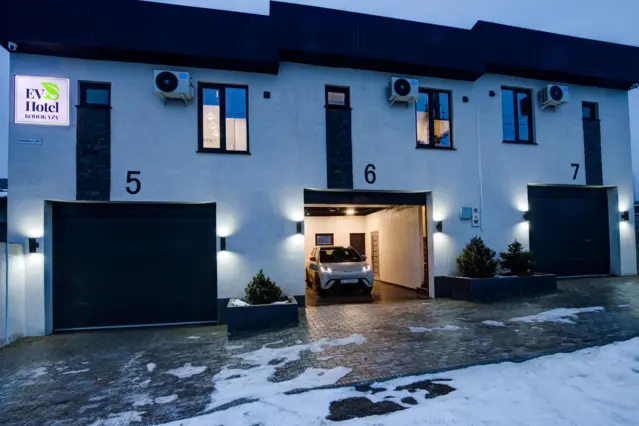
Ev Hotel Baytik is in Baytik. Its listing includes kitchens in the rooms, a terrace and electric-car charging. It suits an evening of cooking your own dinner outside the city after a walk.
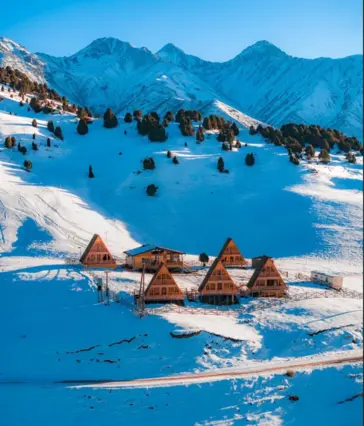
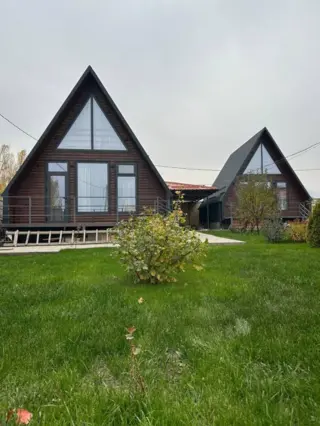
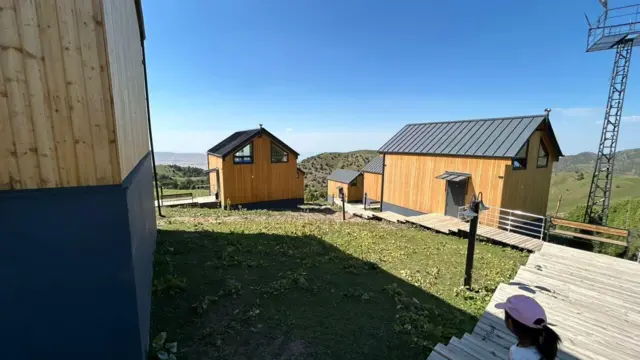
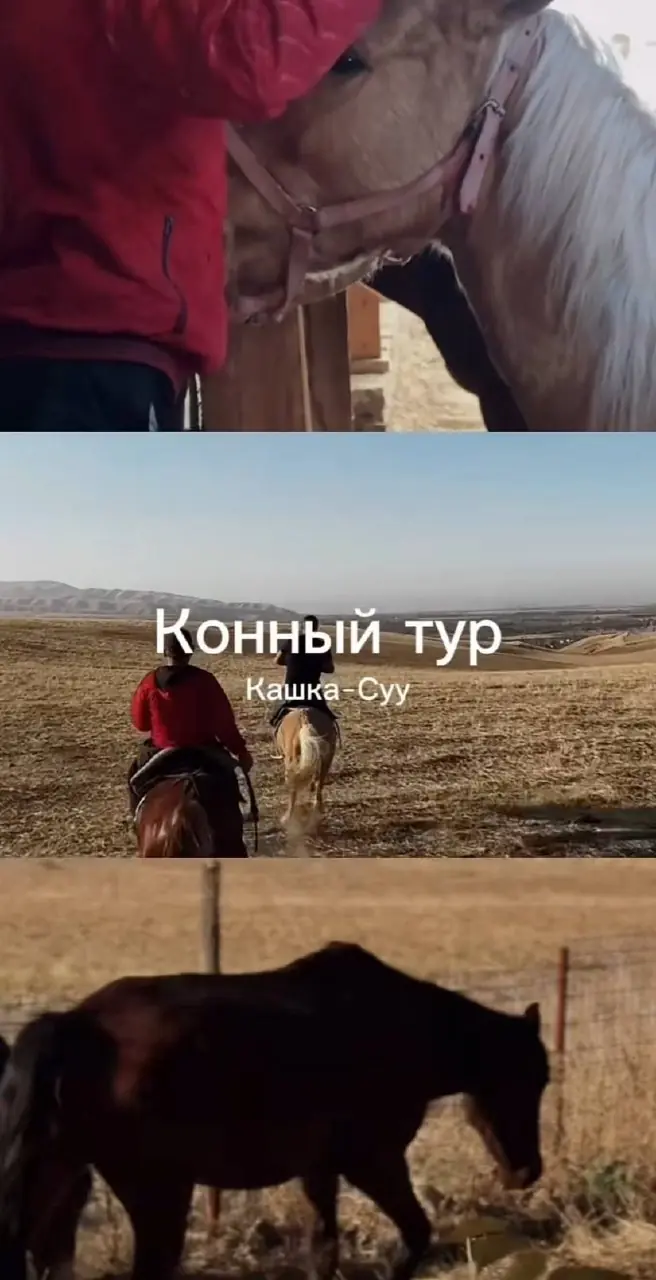
Alto Cabins, in Kashka-Suu, offers A-frame cabins with kitchens and terraces; breakfast is mentioned in the description. Spend one day in the park and another relaxing near your cabin.
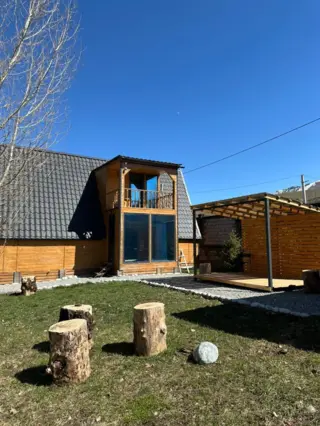
Kyzyl Beles cottage is also in Kashka-Suu: a two-room barnhouse of 84 m² for up to four guests, with a kitchen, its own entrance and access to the lake. You rent the whole house, and it costs less than the Alto Cabins A-frame.
Specific accommodation prices checked on 7 November 2026:
Accommodation | From |
|---|---|
Ev Hotel Baytik double room | 8,350 som (~US$96) per room per day |
Alto Cabins A-frame | 12,000 som (~US$137) per cabin per day |
Kyzyl Beles cottage | 8,889 som (~US$102) per cottage per day |
The Alto Cabins A-frame is priced by season: 12,000 som for the coming dates and 15,000 (~US$172) from March. Check guest numbers, meals and the total for your dates. For city accommodation and neighbourhoods, read Where to stay in Bishkek.
Browse more Bishkek accommodation.
An unhurried day in the mountains
For a first visit, choose the riverside walk and add the cable car if you want a higher viewpoint. Leave time for lunch and stops beside the water. Give an Ak-Sai walk most of the day; plan Ratsek Hut separately.
Choose accommodation through the links above. The host confirms your request; you then have two hours to pay the advance by Visa on the bank’s secure page. Pay the balance on arrival. To add a day in the capital, see What to see in Bishkek: one day among spruce trees and rocks, another on city streets with cafés and museums.
Frequently asked questions
How much is the entrance fee? Per the rates checked on 7 November 2026: 250 som for an adult, 180 som for children aged 7–14, free for children under seven. The cable car costs 600 som return, or 400 for a child. Entrance plus cable car comes to 850 som per adult. The park publishes its own rates, so check them at the ticket desk before you go and have a card ready.
How long is the walk to Ak-Sai waterfall? From the trailhead by the alpine camp, reckon on about 4.3 km one way and roughly 700 metres of ascent. Allow around 2.5 hours for the climb and 4–6 hours for the whole outing, more with long stops. You still have to get to the trailhead from the checkpoint, so count that time separately.
Is it suitable for children? Yes — the riverside walk from the alpine camp area works well: go in short stretches, stay on the path and pick a spot well back from the edge of the fast-flowing river. Watch the birds and squirrels without feeding them, and take your rubbish out with you.
Can I drive into the park? Petrol and diesel cars are left in the car park before the checkpoint — 50 som. Inside, free electric transport runs to where the walks begin. Bringing your own electric car in costs 880 som; check the conditions before choosing that option. Allow time for the entrance, the wait and the transfer: the checkpoint is not yet the start of the route to the waterfall.
What is the Ratsek hut? A high-altitude refuge at about 3,300 metres by the Ak-Sai glacier; the name comes from Vladimir Ratsek, one of the pioneers of mountaineering in Kyrgyzstan. A local operator gives about 5–6 km and 4–5 hours for the ascent from the alpine camp alone, with the descent still to come. It is a trip of its own: it takes fitness, the right gear and a conversation with a guide, and an overnight up there has to be arranged in advance.
Photos and cover: Vitaliknyc, CC BY 3.0. Sources: river, valley. Versions with borders removed by Cropbot/Finavon; no further cropping, WebP format.
Davide Mauro — Ak-Sai, CC BY-SA 4.0. Andrew Litzenberger — Ratsek, 2007, public domain.
The WebP version of Davide Mauro’s photograph is shared under CC BY-SA 4.0; resized, uncropped.



no comments